
Confidence in the garden begins with careful handling and accurate technique.
Garden tool safety strengthens stability and cutting precision throughout everyday tasks. When safe gardening tools are used correctly, cuts remain clean and effort is reduced.
The principles below focus on proper handling, cutting technique, safe storage and protective habits. Practical do’s and don’ts help guide effective tool use and reinforce dependable tool-handling and pruning safety tips.
1. Start With Essential Safety Principles

Preparing your workspace and protective gear helps reduce risk and supports more effective gardening.
Check Tools Before Use
Always inspect tools for loose handles or damage and never use cracked handles or bent blades. Sharp, well-maintained tools require less force and deliver cleaner cuts.
Wear Practical Protective Gear
Gloves protect against thorns and cuts, while closed shoes improve grip and help protect feet if a heavy tool is dropped. Eye protection is recommended when trimming branches or cutting dry material that may snap.
Clear and Stabilise Your Work Area
Clear loose debris, stones and hidden obstacles from your work area and ensure ladders or step stools are stable when reaching higher branches. Be mindful of wet or uneven surfaces, as stable footing helps maintain balance and steady movement while working.
2. Handle Tools With Care and Precision
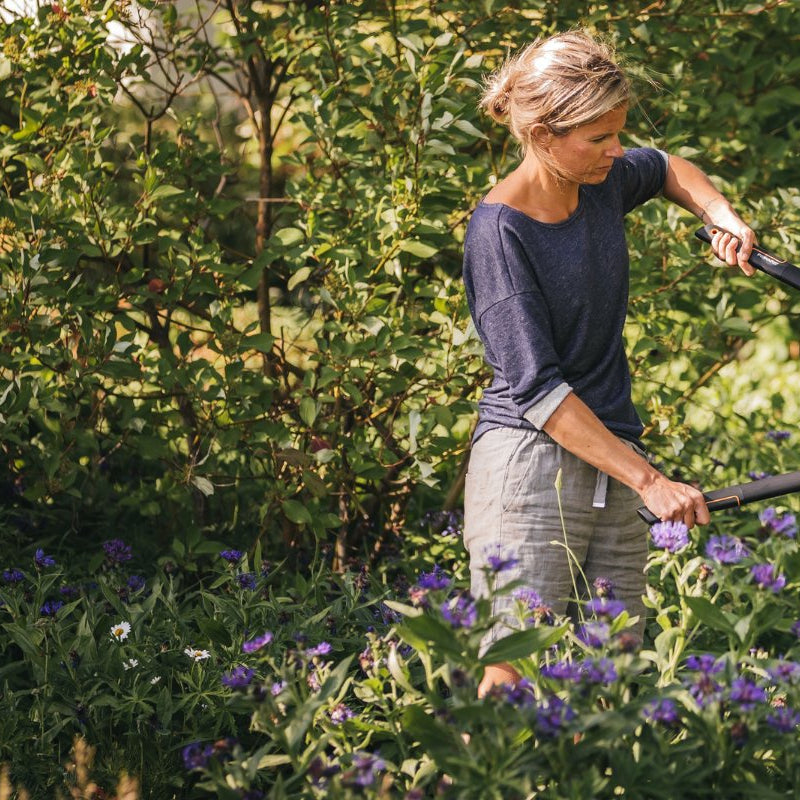
The way tools are handled and cuts are made influences plant health. Controlled grip, balanced posture and tools that ensure optimal plant care reduce unnecessary strain, improve accuracy and support garden tool safety in everyday gardening.
|
Focus Area |
Good Practice |
Safety Benefit |
|
Grip and Posture |
Firm, relaxed grip with straight wrists |
Improves stability and cutting precision |
|
Cutting Direction |
Keep the cutting motion directed away from your body |
Helps reduce accidental contact and improves control |
|
Cutting Angle and Pressure |
Cut at a natural angle using steady pressure |
Supports cleaner cuts and healthier plant recovery |
|
Reach and Positioning |
Work within comfortable reach, avoid overstretching |
Maintains balance and accuracy |
|
Blade Awareness |
Keep blades facing away when not cutting, and allow dropped tools to fall safely |
Reduces accidental contact and improves awareness |
Applying an accurate cutting technique reinforces practical tool-handling tips and supports steadier gardening practice.
3. Store Tools Safely After Use
An organised storage system keeps tools accessible and ready for safe, effective use. Leaving sharp tools exposed increases risk, especially in shared or family spaces. Good storage habits extend tool life and prevent accidents.
Clean and Dry Tools Before Storing
Remove soil, sap and moisture after use for safer handling. Dry blades prevent rust and keep gardening tools safe and working efficiently. Storing tools in a dry, sheltered space helps prevent corrosion and maintain long-term performance.
Store Tools in Secure Locations
Hang tools on hooks, store them in tool racks, or keep them in closed containers. Never leave sharp tools on the ground or hidden in grass where they can cause injury. Always lock away sharp tools if children are present.
Protect Blade Edges
Use blade covers where possible. Covered blades prevent accidental cuts and help maintain sharpness for safer future use.
4. Know When to Replace Worn or Damaged Tools
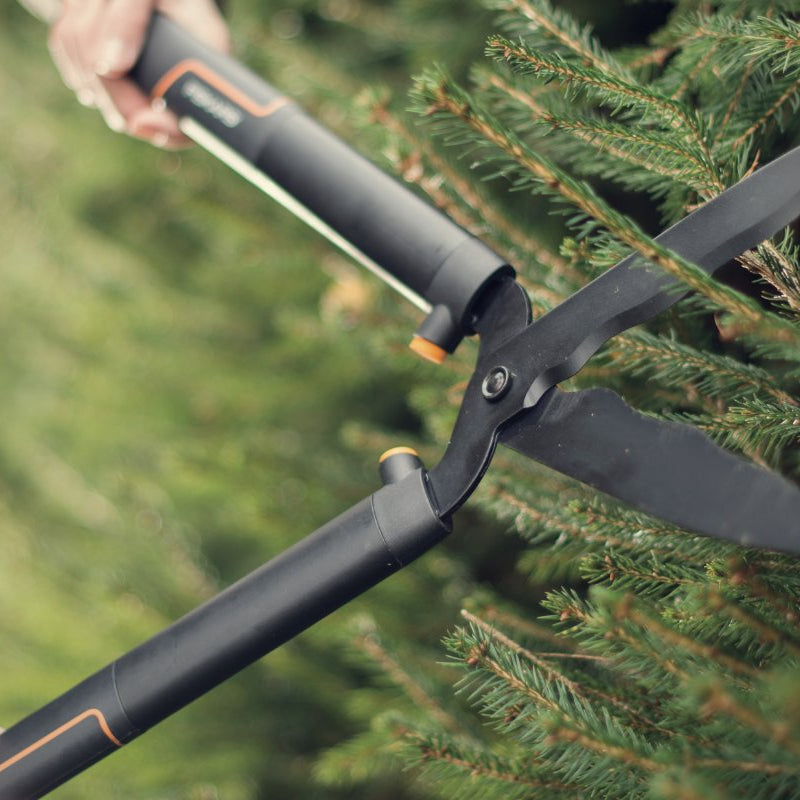
Old, damaged or poorly performing tools increase safety risks. Reliable, well-designed tools, such as our SingleStep™ Hedge Shears Wavy Blade, support safer cutting and less strain.
Signs your tools may need replacement:
-
Loose or unstable handles: Can reduce grip stability and make tools harder to use safely.
-
Blades that dull quickly: May indicate worn metal that no longer maintains an effective cutting edge.
-
Corrosion that affects performance: Corrosion can weaken components and reduce cutting efficiency.
-
Cracks, bends or misalignment: Structural damage can affect accuracy and reliable tool function.
Durable, well-engineered tools enhance garden cutting safety and improve gardening performance.
5. Build Safe Gardening Habits
Safe gardening develops through small, consistent actions over time. Clean tools and a steady working pace help improve control and overall safety when cutting the garden.
Frequently Asked Questions

These frequently asked questions address practical concerns about the safe use of tools in everyday gardening.
1. Why Is Garden Tool Safety Important?
Safe practices prevent injuries and accidents while improving control and gardening efficiency.
2. How Does Proper Cutting Technique Improve Safety and Plant Health?
Using the correct angle and steady pressure improves cutting accuracy and helps plants heal more cleanly, while lowering the chance of sudden tool movement.
3. What is the Safest Way to Store Garden Tools?
Clean, dry, and store tools securely on hooks or racks; never leave them on the ground.
4. How Can I Use Garden Tools With Better Posture and Less Effort?
Use the correct tool for each task, maintain an upright posture and avoid overreaching. Taking brief breaks when needed helps manage fatigue and maintain a steady technique.
Enjoy Safer Gardening With Fiskars
Gardening should feel rewarding, not risky. With the right tools and mindful handling, everyday garden care becomes safer, smoother and more enjoyable.
Explore Fiskars Gardening Tools and discover durable, thoughtfully designed tools that support safe, confident gardening.